Confirm the Make, Model, Weight & Dimensions
Accurate specifications help us match your forklift to the right trailer and avoid shipping delays.
All State-to-State Auto Transport uses specialized trailers and experienced drivers to move forklifts of any size across the country. We handle the permits, safety requirements, and scheduling so your equipment arrives safely and on schedule.
No upfront payment
Door-to-door service
Online tracking
FMCSA registered
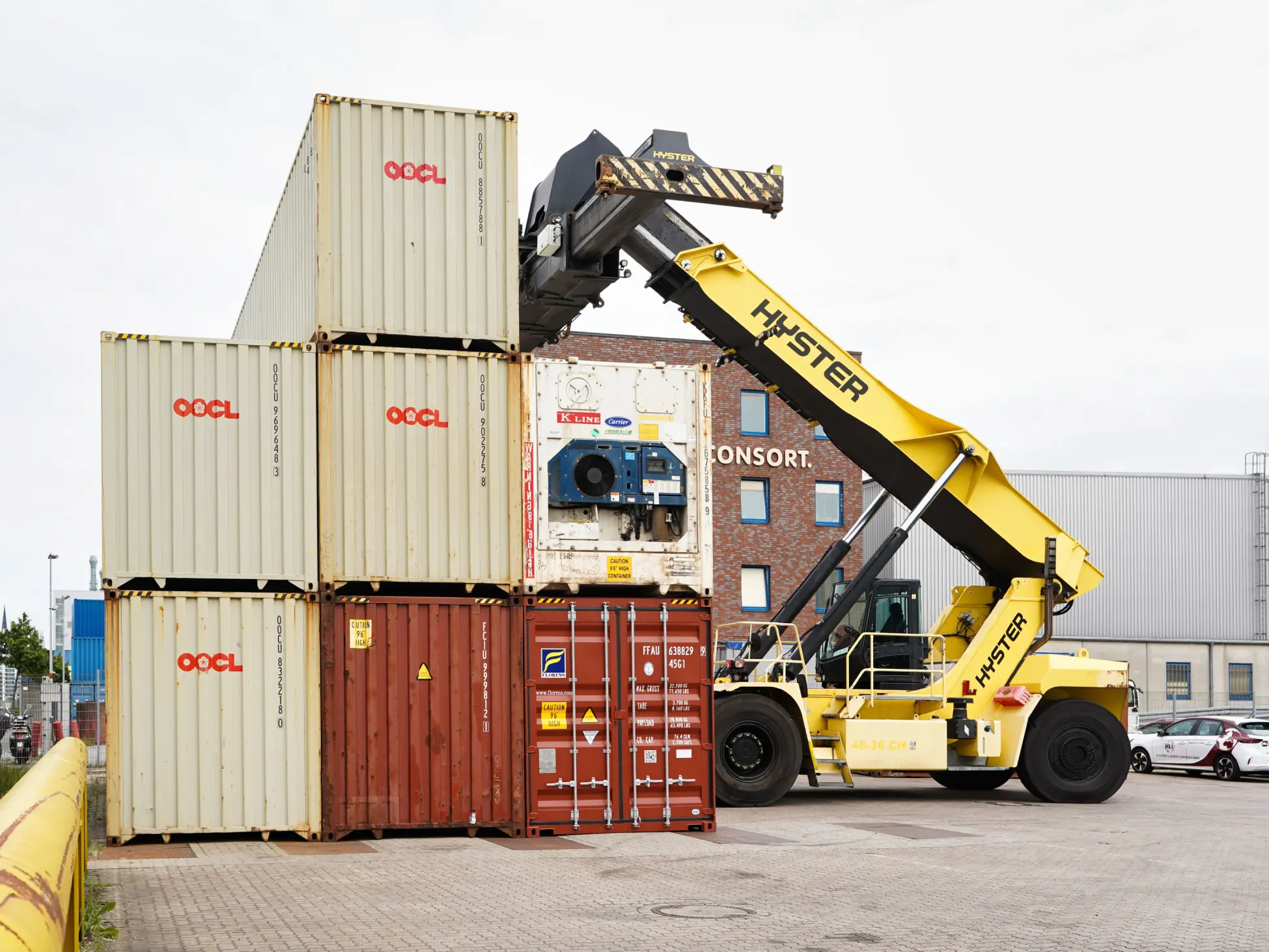
Get Instant Quote Now +1 (800) 550-1515Forklifts are essential equipment on construction sites and in warehouses, and they play a key role in auto shipping itself, loading and unloading vehicles and heavy freight. Shipping one safely takes the right trailer, the right paperwork, and careful planning.
Before booking, have a few details ready: the forklift's make and model, its weight and dimensions, and your pickup and delivery addresses. Getting this right upfront helps us match your shipment to the right trailer and avoid delays. Larger, heavier forklifts require specialized flatbed or step-deck trailers, while smaller units can sometimes be shipped in a container.
If you're shipping a forklift for the first time or have questions about the process, our team is ready to help.
Get Your Free Forklift Quote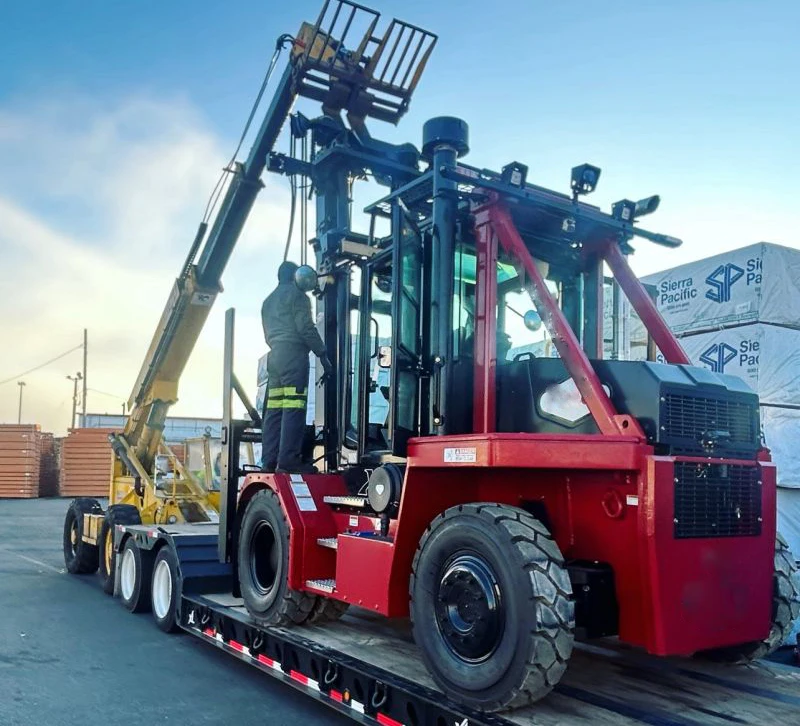
Share your forklift's make, model, weight, and dimensions, along with your pickup and delivery addresses so we can prepare an accurate estimate.
We assign a driver and trailer suited to your forklift, arrange any needed permits, and load and secure it according to DOT regulations.
Your forklift travels safely to its destination, with online tracking available so you can follow its progress along the way.
Your forklift is unloaded and delivered to your specified location, ready for use as soon as it arrives.
Under 3,000 lbs: pallet jacks and compact electric units
Light-power forklifts: 3,000 to 4,999 lbs
Medium-power forklifts: 5,000 to 9,999 lbs
Standard-power forklifts: 10,000 to 19,999 lbs
High-power forklifts: 20,000 to 85,000+ lbs
Weight class affects both the trailer type needed and the final shipping cost, so having an accurate weight on hand when you request a quote helps us give you the most accurate price.
Get Your Free Forklift QuoteSince 2008, we have coordinated heavy equipment transportation, including forklift shipping.
We are registered with the Federal Motor Carrier Safety Administration.
We arrange suitable trailers and loading equipment based on your forklift's size, weight, and requirements.
Our team coordinates the handling, routing, and transportation requirements of heavy equipment.
No upfront charges are required to book your forklift transportation.
Stay informed about your forklift throughout the transportation process.
No deposit is required to book your container transportation.
Transit time depends mainly on distance and route. Most cross-country shipments take about 1 to 2 weeks, while shorter regional routes can move faster. Shipments to or from Alaska or Hawaii typically take longer, often 2 to 4 weeks, due to the added logistics involved.
Get Your Free Forklift Quote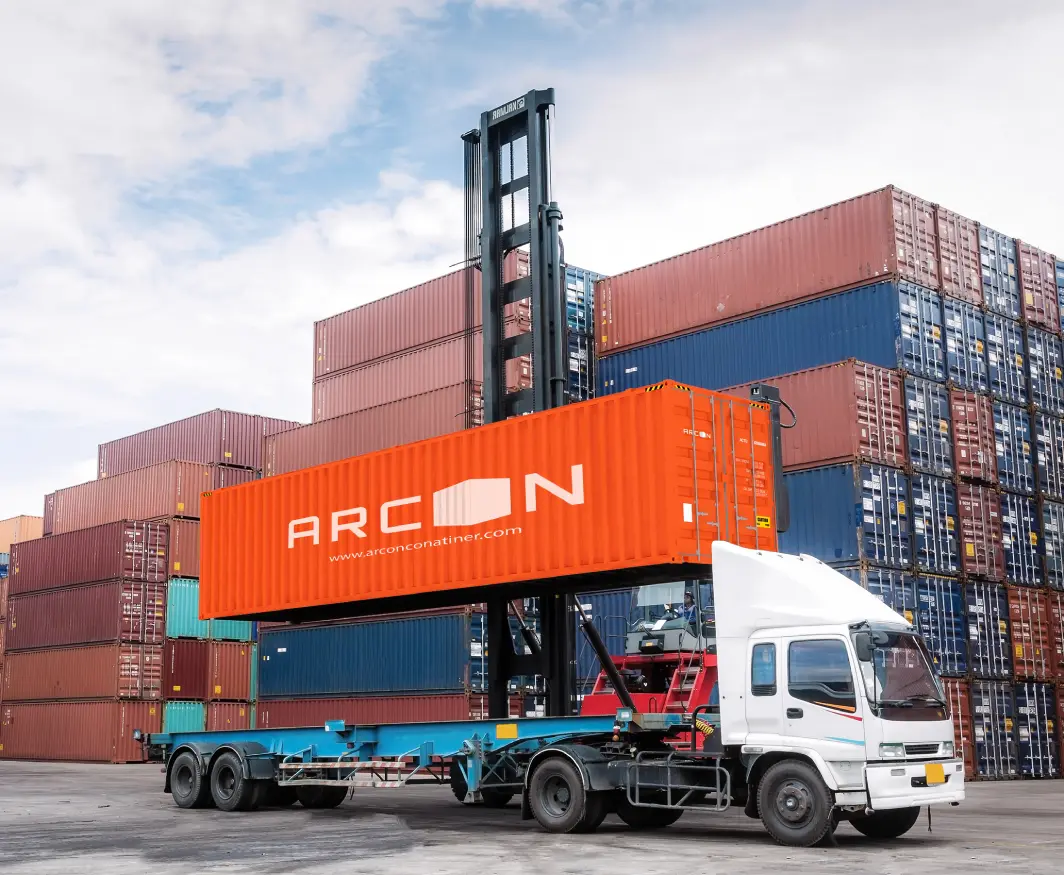
Forklift shipping typically costs $2.50 to $6.00 per mile, depending on the forklift's weight, dimensions, route, and equipment requirements.
Heavier forklifts may require specialized trailers and handling.
Oversized or tall forklifts may need flatbed or specialized equipment.
Longer routes cost more overall, but the per-mile rate generally decreases.
Winter conditions and limited carrier availability can increase rates.
Rural, mountainous, or restricted routes may cost more.
A little preparation before pickup can help prevent delays, damage, and unexpected handling issues.
Accurate specifications help us match your forklift to the right trailer and avoid shipping delays.
Take clear photos from multiple angles and note any existing wear, damage, or visible issues before pickup.
Inspect for oil, hydraulic fluid, coolant, or other leaks and address them before pickup.
Disconnect or remove propane tanks as required. Secure electric forklift batteries and protect their terminals.
Remove or securely fasten forks, tines, and other accessories that could shift or become damaged during transit.
Let us know whether the forklift is electric, propane, or diesel so we can plan the appropriate handling requirements.
Tell us about restricted access, tight clearances, narrow entrances, loading limitations, or special equipment needs.
Let us know if the forklift is non-operational, unusually large or heavy, or requires special loading or unloading arrangements.