01
Shipping Distance
The distance between your pickup and delivery locations is one of the
biggest factors affecting the total cost.
A longer route generally costs more overall, but the per-mile price
usually decreases as the distance increases. Short-distance shipments
have many of the same fixed costs as longer shipments, which makes their
per-mile rate higher.
02
Open vs. Enclosed Transport
The type of carrier you choose also affects the price.
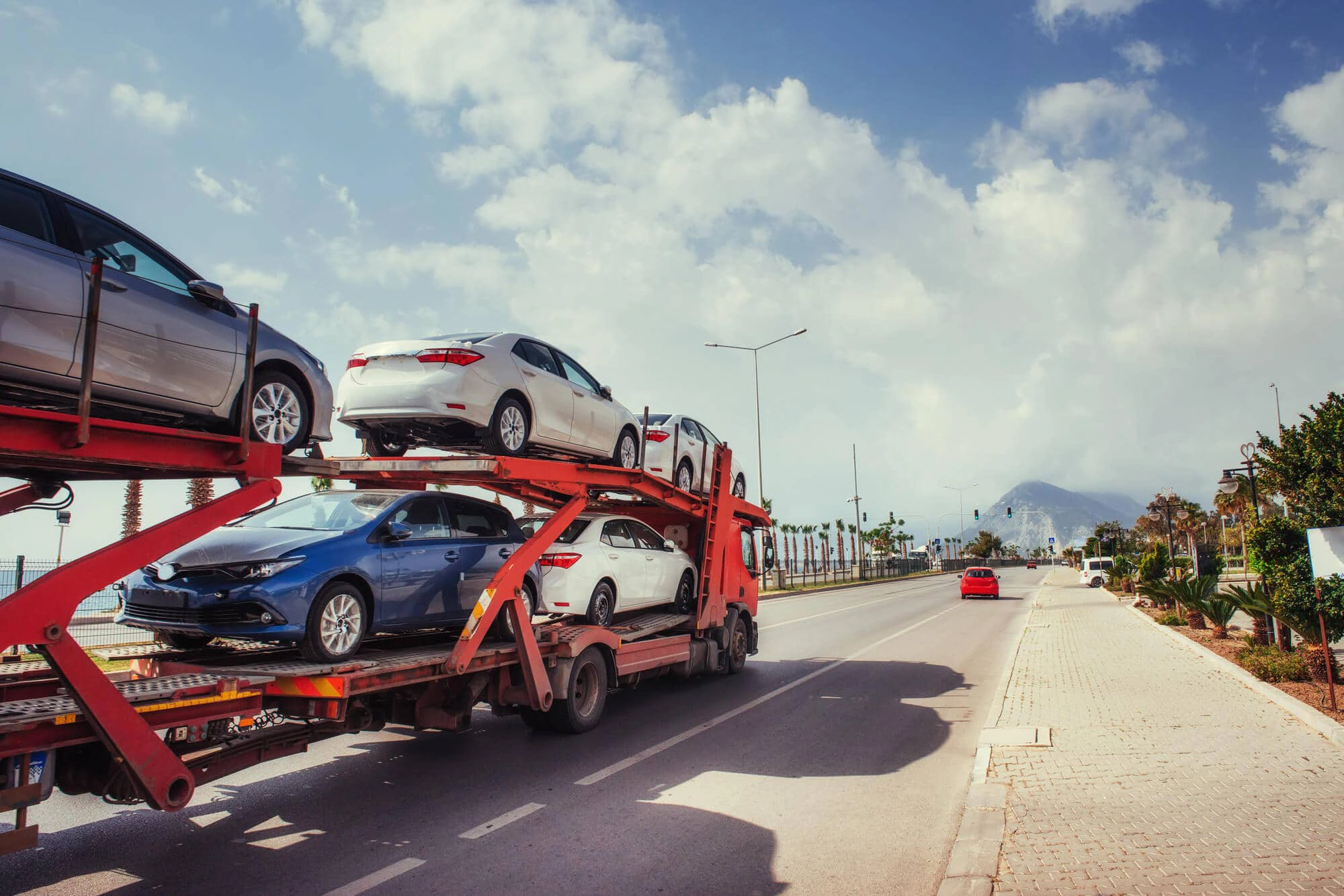
Open auto transport is generally the more economical option and is the
most common way to ship everyday cars, SUVs, and trucks. Your vehicle is
transported on an open carrier along with other vehicles.
Enclosed auto transport provides additional protection from weather and
road exposure and is commonly selected for luxury, classic, exotic,
antique, or other high-value vehicles.
30%–60% more
Typical planning estimate for enclosed transport
03
Vehicle Size and Weight
The size of your vehicle can affect the shipping price.
A standard sedan generally takes less carrier space than a large SUV,
pickup truck, van, or oversized vehicle. Larger vehicles can therefore
cost more to transport on the same route.
Your vehicle's dimensions may also affect the available carrier
equipment and the number of vehicles that can be loaded on a carrier.
04
Vehicle Condition
A running vehicle is generally easier to load, move, and unload.
If your vehicle is inoperable, the carrier may need additional equipment
or labor to load it. This can increase the shipping cost.
When requesting a quote, let the transport company know whether the
vehicle starts, rolls, steers, and brakes normally.
05
Pickup and Delivery Location
The accessibility of your pickup and delivery addresses can affect the
price.
Major cities and heavily traveled transportation corridors usually have
more carrier traffic. Rural areas, remote locations, narrow streets,
restricted-access communities, and locations far from major routes may
require additional routing or coordination.
Door-to-door service does not always mean a carrier can park directly in
front of every address. If a large carrier cannot safely access your
street, the driver may arrange a nearby safe meeting point.
06
Time of Year
Auto transport prices can change throughout the year based on demand
and carrier availability.
Seasonal relocation periods, including snowbird migration, can create
increased demand on certain routes. Weather can also affect carrier
schedules and available capacity.
If your dates are flexible, your shipment may have more scheduling
options than a shipment that requires pickup on one specific day.
07
Pickup Flexibility
Flexible pickup dates can make it easier for a carrier to match your
vehicle with an available route.
Expedited transport, fixed-date requirements, and short scheduling
windows may cost more because they can require additional coordination
or priority carrier availability.
If keeping the cost lower is your priority, providing a reasonable
pickup window can give the transport company more options.
08
Transport Speed
Standard auto transport is usually less expensive than expedited
shipping.
With expedited auto transport, the goal is to arrange pickup faster or
accommodate a tighter delivery schedule. Because this can require
prioritizing your shipment and finding suitable carrier capacity
quickly, the price is generally higher.