Winter Car Shipping: Safety, Costs, and What to Expect
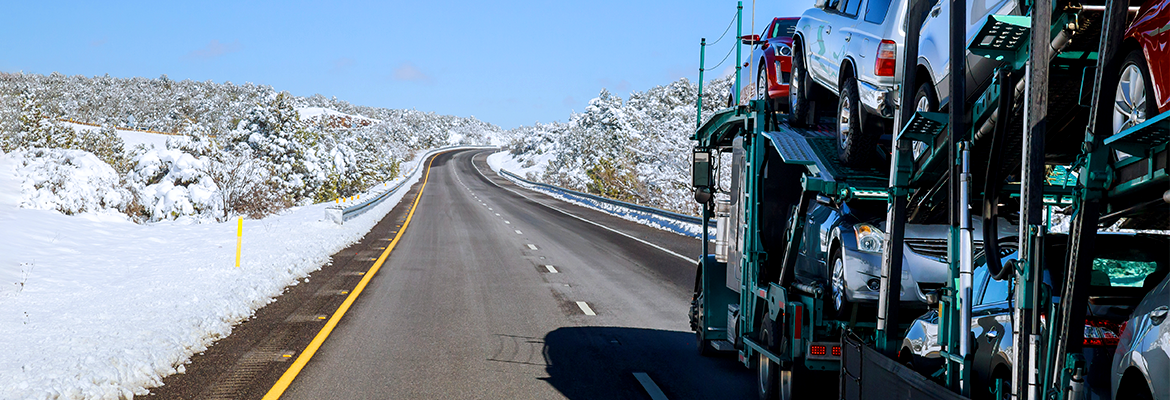
Shipping a car during winter requires some additional planning. Snow, ice, freezing temperatures, road salt, and changing road conditions can affect transport schedules and vehicle exposure. Although auto transport carriers continue operating during colder months, severe weather may require drivers to adjust routes, delay pickups, or wait until roads are safe.
Winter car shipping can still be a practical option when you plan ahead and allow flexibility in your schedule. Understanding how cold-weather conditions affect transportation can help you choose the right shipping method, prepare your vehicle, and know what to expect during delivery.
Is It Safe to Ship a Car in Winter?
Yes. Professional auto transport carriers move vehicles throughout the winter, including on routes that experience snow and freezing temperatures. However, safety conditions can vary considerably depending on the route and weather forecast.
Snow-covered highways, icy roads, freezing rain, strong winds, and reduced visibility can make certain routes difficult for large transport trucks. Drivers may slow down, take an alternative route, or temporarily stop at a safe location when conditions become hazardous.
These decisions can affect pickup and delivery estimates, but delaying a shipment is preferable to continuing through unsafe road conditions.
Before arranging winter car shipping, consider:
-
Weather along the route: Conditions at the destination may differ from those at pickup.
-
Road closures: Snowstorms and ice can temporarily restrict access to highways and mountain passes.
-
Pickup and delivery access: Snow-covered driveways, steep roads, and uncleared streets may prevent large carriers from reaching the requested location.
-
Scheduling flexibility: Allow additional time in case the weather affects the original transport schedule.
How Winter Weather Affects Car Shipping
Winter conditions can influence several parts of the auto transport process. The extent of the impact depends on the shipment route, vehicle location, and severity of the weather.
Snow and Ice
Heavy snowfall and icy roads can reduce traction and visibility. Carriers may need to travel more slowly or avoid certain roads until conditions improve. If a highway closes, the driver may have to use an alternative route or wait for access to reopen.
Freezing Rain and Strong Winds
Freezing rain can create hazardous driving conditions, while strong winds can make it difficult to operate large transport trucks safely. These conditions may lead to temporary stops or route adjustments.
Road Salt and Slush
Road crews use salt and other treatments to improve traction on winter roads. Vehicles transported on open carriers may encounter road spray, slush, dirt, and salt residue during transit.
This exposure does not automatically mean a vehicle has sustained damage, but it can leave the exterior dirty and make a post-delivery inspection more difficult.
Shorter Daylight Hours
Winter has fewer daylight hours in many parts of the United States. Poor visibility and limited daylight can affect pickup, loading, and delivery arrangements, particularly when drivers need to inspect vehicles or access unfamiliar locations.
Open vs. Enclosed Car Shipping in Winter
Both open and enclosed auto transport can be used during winter. The appropriate option depends on your vehicle, budget, route, and preference for protection from outside conditions.
Open Car Transport
Open transport is a common option for everyday vehicles. Cars travel on an uncovered carrier alongside other vehicles, making this method generally more economical than enclosed shipping.
During winter, vehicles transported on open carriers are exposed to:
-
Snow and rain
-
Road salt and brine spray
-
Slush and road grime
-
Wind and ordinary road debris
This exposure is similar to what a vehicle may encounter during regular winter driving. However, owners should expect the car may need a thorough wash after delivery.
Enclosed Car Transport
Enclosed transport places vehicles inside a covered trailer, reducing exposure to weather, road spray, salt, and debris.
It may be a suitable choice for:
-
Classic and collector cars
-
Recently restored or freshly painted cars
-
High-value vehicles
-
Cars with delicate exterior finishes
Enclosed shipping generally costs more than open transport. It also does not prevent weather-related delays because the carrier must still travel on roads affected by winter conditions.
For more information about the differences, see our guide to open vs. enclosed auto transport.
How Much Does Winter Car Shipping Cost?
Winter car shipping costs depend on several factors, and prices do not automatically decrease during colder months. Lower seasonal demand may create more favorable pricing on some routes, but weather conditions and regional transport demand can influence availability and estimates.
For example, routes heading toward warmer states may experience increased demand during the winter as people relocate seasonally. Shipments through areas affected by heavy snow or difficult road conditions may also require additional scheduling flexibility.
Factors that influence winter car shipping costs include:
-
Distance: Longer routes generally cost more to transport.
-
Vehicle size and weight: Larger vehicles require more carrier space and may affect pricing.
-
Transport method: Enclosed shipping generally costs more than open transport.
-
Route demand: Popular winter destinations can experience increased shipping demand.
-
Weather conditions: Severe weather and route disruptions can affect carrier availability and scheduling.
-
Pickup and delivery locations: Remote areas or locations with limited carrier access may require additional arrangements.
For a broader breakdown of pricing factors and estimates, read our guide on how much it costs to ship a car.
How to Prepare Your Car for Winter Shipping
Preparing your vehicle before pickup helps the carrier load and transport it safely. Cold temperatures can also affect vehicle batteries, tire pressure, and fluid performance, making a few additional checks worthwhile.
1. Check the Battery
Cold weather can reduce battery performance. Have the battery checked if it has difficulty starting the vehicle or has not been tested recently. A vehicle that cannot start may require additional loading arrangements.
2. Check Tires and Tire Pressure
Inspect the tires for visible damage and adequate tread. Cold temperatures can reduce tire pressure, so check inflation against the manufacturer's recommended levels.
Properly inflated tires also help the carrier load and secure the vehicle.
3. Check Coolant and Other Fluids
Make sure the cooling system contains the appropriate coolant mixture for the expected temperatures. Check for visible leaks and address any known mechanical problems before pickup.
Also check the windshield washer reservoir and use fluid suitable for freezing conditions.
4. Remove Snow and Ice
Clear snow and ice from the vehicle before the carrier arrives. This allows the driver to inspect the exterior and document its condition more accurately.
Pay particular attention to the roof, windows, hood, trunk, lights, and mirrors.
5. Remove Personal Belongings and Loose Accessories
Remove personal belongings and loose items from the cabin and trunk. Secure or remove detachable exterior accessories that could become loose during transportation.
6. Keep the Vehicle Accessible
Make sure the pickup location is clear of snow and accessible to the transport truck. If a residential street or driveway is too narrow, steep, or icy, the driver may arrange a nearby location where loading can take place safely.
For a complete preparation guide, see 7 Steps to Prepare Your Car for Shipping.
What Happens If Winter Weather Delays Your Car Shipment?
Weather-related delays are possible during winter, particularly on routes that cross snowy regions, mountain passes, or areas experiencing severe storms.
If conditions make driving unsafe, the carrier may:
-
Delay departure until roads improve.
-
Take an alternative route.
-
Stop temporarily at a safe location.
-
Adjust the estimated pickup or delivery window.
-
Arrange a different meeting point if the original location becomes inaccessible.
Keep in contact with your shipping coordinator and ask for updates if the estimated schedule changes. Allowing extra time is particularly important if you are coordinating vehicle delivery with a move, a new job, or another scheduled commitment.
A pickup or delivery estimate should not be treated as a guaranteed appointment, especially when winter weather is affecting the route.
Inspecting Your Car After Winter Transport
After delivery, inspect the vehicle before completing the handover. Winter road conditions can leave salt, dirt, and slush on the exterior, so a careful inspection is important.
Follow these steps:
-
Compare the vehicle's condition with the original pickup inspection report.
-
Check the body panels, bumpers, wheels, windows, and mirrors.
-
Look for new scratches, dents, or other visible damage.
-
Take photographs of any concerns.
-
Record any newly observed damage on the delivery paperwork before signing.
-
Keep copies of the inspection documents and photographs.
If road grime or poor lighting prevents a complete inspection, document that limitation on the delivery paperwork and request guidance on the next steps.
Our car transport inspection checklist explains how to document vehicle condition before and after shipping.
Winter Car Shipping FAQs
Is winter a good time to ship a car?
Winter can be a suitable time to ship a car if you can accommodate possible weather-related delays. Lower demand may result in favorable pricing on some routes, but busy seasonal corridors and severe weather can affect availability.
Does snow delay car shipping?
Yes. Heavy snowfall, icy roads, road closures, and poor visibility can delay pickup or delivery. Carriers may adjust their routes or wait until conditions are safe.
Is enclosed car shipping better in winter?
Enclosed transport offers additional protection from snow, road salt, slush, and debris. It can be a suitable option for classic, luxury, exotic, and other high-value vehicles. However, it generally costs more than open transport.
Can I ship a car during a snowstorm?
A car can be scheduled for transport during winter, but a carrier may postpone pickup or stop along the route if a snowstorm creates unsafe driving conditions. The final decision depends on road conditions and carrier safety considerations.
Should I wash my car before winter shipping?
Washing your car before pickup helps make scratches, dents, and other existing conditions easier to identify during the inspection. Remove accumulated snow and ice as well. After delivery, washing the vehicle can help remove road salt and winter grime.
Is winter car shipping cheaper than summer shipping?
It can be cheaper on some routes because seasonal demand may be lower. However, prices depend on distance, vehicle size, transport method, route demand, and carrier availability. Winter shipping is not always less expensive.
Arrange Winter Car Shipping With All State
All State to State Auto Transport has provided nationwide vehicle shipping since 2008, with open and enclosed transport options and door-to-door service.
Request a free car shipping quote or call 1-(800)-550-1515.