Understanding Micromobility and Its Role in US Transportation
Summary
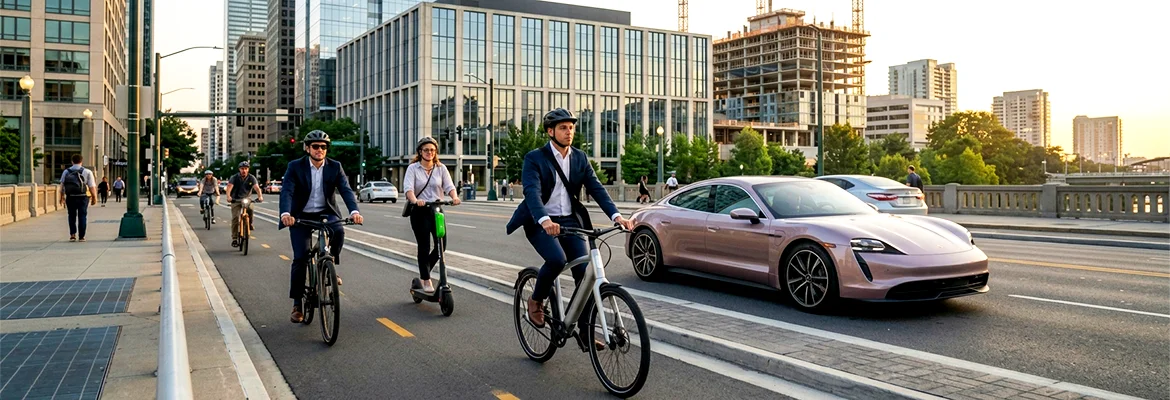
Micromobility covers bicycles, e-bikes, scooters, shared services, and cargo bikes used for short trips without a personal car. It helps with commuting, reaching transit and local deliveries, and can ease parking demand. This guide covers the main vehicle types, the benefits, and safety and urban planning challenges.
Introduction
Micromobility is becoming an increasingly visible part of transportation in American cities. Bicycles, electric bikes, scooters, and shared mobility services give people additional ways to travel short distances without relying on a personal car for every journey.
These transportation options are particularly useful for commuting, accessing public transit, and making local trips. Cities are also exploring how micromobility can reduce parking demand, support local deliveries, and improve connections between neighborhoods and transportation hubs.
However, its growth brings practical challenges. Road safety, infrastructure, parking, weather, and local regulations all influence how effectively people can use these vehicles.
What Is Micromobility?
Micromobility refers to small, lightweight vehicles designed primarily for short-distance travel. They can be human-powered or electrically assisted and are commonly used on urban streets, bicycle lanes, and other permitted routes.
Common examples include:
-
Traditional bicycles
-
Electric bicycles (e-bikes)
-
Electric scooters
-
Shared bicycles and scooters
-
Cargo bicycles and electric cargo bikes
-
Other small, lightweight personal transportation devices
Micromobility is different from conventional motor vehicle transportation because it generally involves smaller vehicles, shorter trips, and lower operating speeds.
It also differs from public transportation. Rather than replacing buses, trains, and other transit services, micromobility can complement them by helping people travel between their homes, workplaces, and nearby transit stations.
Types of Micromobility Vehicles
Different micromobility vehicles serve different transportation needs. Some are designed for personal ownership, while others are available through rental and sharing programs.
Traditional Bicycles
Traditional bicycles remain one of the simplest forms of micromobility. They use human power and do not require fuel or electricity to operate.
People use bicycles for commuting, exercise, shopping, and other short-distance journeys. Their relatively low purchase and maintenance costs make them accessible to many users.
However, cycling requires physical effort and may be less practical for longer journeys, steep routes, or areas without suitable cycling infrastructure.
Electric Bicycles
Electric bicycles use battery-powered motors to assist riders while pedaling or, in some models, provide propulsion through a throttle.
They can make cycling more accessible to people who find conventional bicycles physically demanding. E-bikes are also useful for longer commutes, hilly routes, and carrying groceries or equipment.
In the United States, e-bikes are commonly classified into three categories:
-
Class 1: Provides motor assistance only while the rider pedals, with assistance up to 20 mph.
-
Class 2: Includes a throttle that can propel the bicycle without pedaling, with motor assistance up to 20 mph.
-
Class 3: Provides pedal assistance up to 28 mph and does not use a throttle for motor-powered propulsion under the standard classification.
These classes describe how the motor assists the rider. State and local regulations determine where different e-bike classes may be used, including access to bicycle paths and other shared facilities.
Electric Scooters
Electric scooters are compact, battery-powered vehicles commonly used for short urban journeys. Most have a standing platform, handlebars, and small wheels.
They can be privately owned or rented through shared scooter services. Their compact design makes them convenient for short trips, although range, road conditions, battery capacity, and local speed restrictions affect their usefulness.
Riders should check local rules before using electric scooters on roads, sidewalks, or bicycle lanes. Requirements vary between cities and states.
Shared Bicycles and Scooters
Bike-sharing and scooter-sharing programs allow people to rent vehicles for individual journeys without purchasing or maintaining their own equipment.
Depending on the service, users can locate and unlock vehicles through a mobile application, complete a trip, and return the vehicle to an approved parking area or designated docking station.
These services are particularly useful for occasional riders, visitors, and commuters who need transportation for only part of their journey. Their availability depends on local demand, operating permissions, and the number of vehicles maintained by the service provider.
Cargo Bikes
Cargo bikes are designed to carry groceries, packages, tools, and other loads. Some use electric assistance to make heavier loads easier to transport.
Businesses can use them for local deliveries, particularly in congested urban areas where parking and access for larger vehicles may be difficult.
Electric cargo bikes are not suitable for every delivery requirement, but they can provide an alternative for certain short-distance commercial trips.
How Micromobility Is Used in the US
Micromobility has several practical applications in American communities. Its usefulness depends on local infrastructure, travel distances, and the availability of suitable vehicles.
Daily Commuting
Bicycles, e-bikes, and electric scooters can help people travel between their homes and workplaces. They are particularly useful for short commutes where driving may involve parking difficulties or traffic congestion.
Electric assistance can also make longer or uphill journeys more manageable.
First-Mile and Last-Mile Transportation
Micromobility can help people reach public transportation stations that are too far away to access conveniently on foot.
For example, a commuter might ride an e-bike from home to a train station, use public transit for the main journey, and take a shared scooter to reach the final destination.
These connections can make public transportation more accessible without requiring a personal vehicle for the entire trip.
Campus and Neighborhood Travel
Universities, residential communities, and business campuses may use shared bicycles and scooters to support short trips within their areas.
These vehicles can reduce the need for car journeys between nearby buildings and facilities. However, effective programs require suitable parking locations, clear operating rules, and safe routes.
Local Deliveries
Businesses are also exploring cargo bikes and electric cargo bikes for deliveries within cities.
They can be useful for transporting smaller orders over short distances, particularly in areas with heavy traffic or limited parking. Larger shipments and longer-distance deliveries generally require other forms of transportation.
Benefits of Micromobility
Micromobility offers several potential advantages, especially when vehicles are used for trips that would otherwise require a car.
Convenient Short-Distance Travel
Small vehicles can make local journeys easier without the need to find a parking space or navigate congested roads. They also provide additional transportation options for people who do not own a car.
Lower Operating Costs
Bicycles and electric scooters generally cost less to operate than conventional cars. Users may avoid expenses such as fuel, vehicle registration, and paid parking, although purchase prices, rentals, repairs, batteries, and maintenance still contribute to overall costs.
Reduced Parking Demand
Micromobility vehicles occupy less space than passenger cars. When cities provide organized bicycle racks and designated scooter parking, these vehicles can help reduce demand for conventional parking spaces.
However, poorly managed shared services can create sidewalk obstructions and accessibility problems.
Potential Environmental Benefits
Human-powered bicycles produce no direct operating emissions, while electric micromobility vehicles have no tailpipe emissions.
Their overall environmental impact depends on manufacturing, battery production, electricity sources, maintenance, and vehicle disposal. The greatest potential transportation-related benefits generally occur when micromobility replaces trips that would otherwise be made by car.
Replacing a walking trip or a journey on public transportation does not provide the same emissions benefit.
Better Public Transit Connections
Micromobility can extend the practical reach of public transportation by helping passengers cover the distance between transit stations and their starting points or destinations.
When cycling infrastructure, parking facilities, and transit services are properly coordinated, these options can work together as part of a wider transportation network.
Challenges Facing Micromobility
Despite its advantages, micromobility is not suitable for every journey or location. Several issues affect its safety, accessibility, and wider adoption.
Road Safety
Bicyclists and scooter riders share roads and intersections with larger vehicles in many areas. Differences in vehicle size and speed can create risks, particularly where dedicated cycling infrastructure is unavailable.
Poor visibility, distracted driving, unsafe passing, and unpredictable traffic movements can contribute to collisions.
Riders should follow local traffic laws, use appropriate protective equipment, maintain their vehicles, and remain aware of surrounding traffic.
Limited Infrastructure
Many communities lack connected bicycle lanes, safe intersections, secure parking, and routes that accommodate different micromobility vehicles.
A bicycle lane that ends unexpectedly or forces riders into heavy traffic can make an otherwise practical journey unsafe.
Infrastructure improvements are therefore important for encouraging wider use. Cities need to consider road design, intersection safety, accessible parking, and connections to public transportation.
Weather and Distance Limitations
Rain, snow, extreme temperatures, and strong winds can make micromobility less comfortable or practical. These conditions may also affect visibility, traction, battery performance, and road safety.
Travel distance is another consideration. Bicycles and scooters may work well for short urban journeys but are not always suitable for longer commutes or trips requiring passengers and substantial cargo.
Battery and Maintenance Requirements
Electric bicycles and scooters depend on rechargeable batteries and electrical components. Users must account for charging, battery condition, tire maintenance, brakes, and other repairs.
Shared mobility providers also need systems for inspecting, charging, relocating, and maintaining their vehicles. Without regular maintenance, poorly functioning equipment can become a safety concern.
Parking and Accessibility
Shared bicycles and scooters need designated parking areas. When users leave vehicles across sidewalks, near building entrances, or in pedestrian paths, they can obstruct people with disabilities, pedestrians, and other road users.
Clear parking rules and consistent enforcement are necessary to prevent these problems.
Regulations and Local Restrictions
Micromobility rules are not identical throughout the United States. States and municipalities may establish different requirements for e-bike classes, scooter speeds, helmet use, minimum rider ages, and where vehicles can operate.
People should check local transportation rules before purchasing or using a micromobility vehicle.
The Future of Micromobility in the US
Micromobility is likely to remain an important part of urban transportation as cities look for additional ways to manage short-distance travel.
Several developments may influence its future.
Expansion of shared mobility services: Bike-sharing and scooter-sharing programs may become more integrated with public transportation, giving commuters additional options for reaching stations and completing short journeys.
Improved cycling infrastructure: Dedicated lanes, safer intersections, secure parking, and better route connections can make micromobility more practical for everyday use.
Growth of electric cargo bikes: Businesses may increasingly use cargo bikes for selected local delivery operations, particularly where traffic and parking restrictions make larger vehicles less convenient.
Battery and vehicle improvements: Advances in battery technology, charging systems, and vehicle design may improve the range, durability, and usability of electric bicycles and scooters.
Better integration with urban planning: Cities may incorporate micromobility into broader transportation strategies rather than treating bicycles and scooters as separate services. This includes coordinating routes, parking, transit access, and street design.
The pace of development will vary between communities. Population density, local investment, weather, regulations, and public acceptance will all influence how widely these transportation options are adopted.