What Is Driveaway Service? How It Works, Costs, and Benefits
Summary
Driveaway service means a professional driver drives your vehicle to its destination on its own wheels instead of loading it onto a carrier. You request a quote, verify the driver, inspect the car, and receive it at delivery. This guide covers costs, benefits, risks and how driveaway compares with carrier-based shipping.
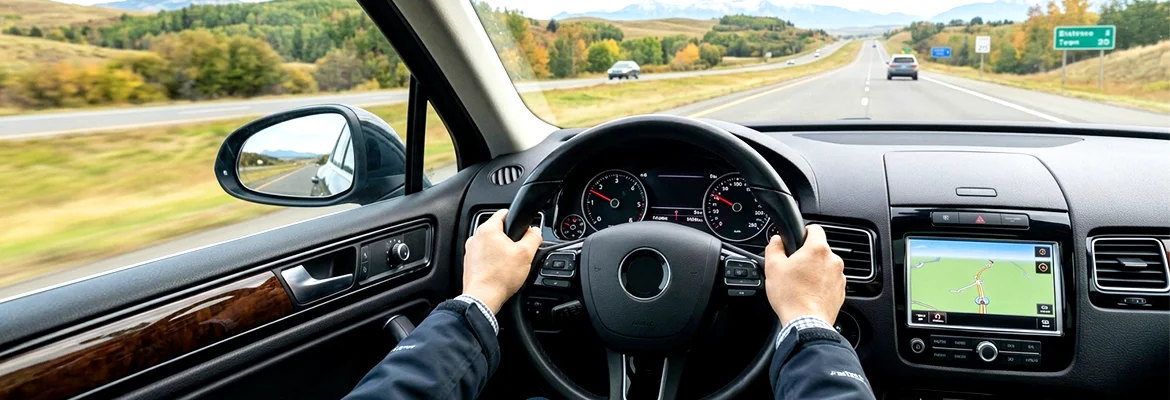
Moving a vehicle across the country does not always require loading it onto a transport trailer. With driveaway service, a professional driver drives the vehicle from its pickup location to the destination. The car travels on its own wheels rather than being transported on a carrier.
This option can help people relocating, purchasing vehicles from distant sellers, moving between seasonal residences, or transferring business vehicles. However, it also means additional mileage, normal road wear, and exposure to traffic and weather.
This guide explains how driveaway service works, what it costs, its advantages and disadvantages, and how it compares with traditional car shipping.
What Is Driveaway Service?
Driveaway service is a vehicle relocation method in which a hired driver operates a customer's vehicle and drives it to an agreed destination.
For example, someone relocating from Maryland to Florida might hire a driver to move their car while they travel separately. The driver collects the vehicle, follows an agreed route, and delivers it to the designated location.
Drive-away services are commonly used for:
-
Personal relocations: Moving a vehicle while the owner travels separately.
-
Seasonal moves: Transferring cars between summer and winter residences.
-
Vehicle purchases: Having a remotely purchased vehicle driven to the buyer.
-
Business transfers: Moving dealership, company, or fleet vehicles between locations.
The term also appears in commercial transportation regulations. Federal driveaway-towaway operations have specific regulatory definitions, so customers should not assume that every consumer driveaway arrangement is subject to identical requirements.
How Does Driveaway Service Work?
The process varies by provider, but most arrangements involve five steps.
1. Request a Quote
Provide the vehicle's make, model, year, pickup and delivery locations, condition, and preferred dates. The provider uses this information to assess the trip and estimate the cost.
Ask whether fuel, tolls, accommodation, and the driver's return travel are included.
2. Verify the Driver
Before accepting the arrangement, ask who will drive your vehicle and verify their identity, qualifications, and relevant experience. Also confirm who is responsible for the driver and what insurance applies during the journey.
3. Inspect the Vehicle
Document the vehicle's condition before pickup. Photograph existing scratches, dents, glass damage, and other visible issues. Record the odometer reading and fuel level.
The vehicle should also be roadworthy, with properly functioning brakes, tires, lights, and other essential systems.
4. Vehicle Pickup and Drive
The driver collects the vehicle and drives it to the destination. Agree on the route, expected stops, fuel arrangements, and delivery schedule beforehand.
Long-distance journeys may require rest breaks or overnight stops, so confirm how the provider handles updates and unexpected delays.
5. Delivery and Final Inspection
At delivery, inspect the vehicle and compare its condition with the original photographs. Record the final odometer reading and report any new damage to the provider promptly.
How Much Does Driveaway Service Cost?
Driveaway service costs depend on distance, vehicle type, route, driver availability, and the terms of the agreement. There is no single nationwide rate for every trip.
Common cost factors include:
-
Distance: Longer journeys generally require more driving time and fuel.
-
Driver compensation: The provider accounts for the driver's time and responsibilities.
-
Fuel and tolls: These may be included in the quote or charged separately.
-
Accommodation: Overnight stays may be necessary on longer routes.
-
Return travel: The driver's transportation after delivery can affect the price.
-
Scheduling: Short-notice requests may cost more when driver availability is limited.
-
Vehicle requirements: Unusual dimensions or operating requirements may affect availability and pricing.
What Should a Driveaway Quote Include?
Request a written price breakdown before booking. Confirm whether it includes driver compensation, fuel, tolls, lodging, return transportation, and administrative charges.
Also ask what happens if the vehicle breaks down, the driver cannot complete the trip, or the delivery is delayed. A low initial quote may not reflect the final cost if important expenses are excluded.
Benefits of Driveaway Service
Driveaway service can be convenient when a vehicle is roadworthy, and the owner wants someone else to complete the journey.
1. No Need to Drive the Entire Route
The owner avoids spending hours or days behind the wheel. This can be helpful during a relocation or when work and family commitments make a long drive inconvenient.
2. Direct Vehicle Delivery
A driver operates the vehicle from pickup toward its destination rather than including it in a multi-vehicle carrier load. However, direct delivery does not guarantee faster arrival. Driver availability, rest requirements, weather, and road conditions still affect timing.
3. No Carrier Loading or Unloading
The vehicle remains on its wheels throughout the journey, eliminating the loading and unloading stages associated with trailer transportation.
4. Useful for Relocations and Business Transfers
Individuals, seasonal residents, dealerships, and businesses may use driveaway services to move operational vehicles without having their own staff or customers make the journey.
Disadvantages and Risks of Driveaway Service
Driveaway service has trade-offs that customers should consider before booking.
1. Additional Mileage and Wear
The distance driven is added to the odometer. Long journeys also contribute to tire wear and general mechanical wear. This may be a concern for newer, leased, classic, or collectible vehicles.
2. Exposure to Traffic and Weather
The vehicle is driven under normal road conditions and remains exposed to traffic, rain, extreme temperatures, and road debris. This differs from enclosed transport, where the vehicle travels inside a covered trailer.
3. Insurance and Liability Questions
Do not assume the driver's personal policy automatically covers your vehicle or that your own insurance provides the same protection when someone else drives it.
Before booking, ask:
-
Which insurance policy applies during the trip?
-
Is the assigned driver covered to operate your vehicle?
-
What liability limits and deductibles apply?
-
Is physical damage to your vehicle covered?
-
Who handles claims if an accident occurs?
Request written proof of the relevant coverage and contact your own insurer. Actual coverage depends on the policies, provider, and agreement.
4. Vehicle Must Be Roadworthy
Driveaway generally requires a vehicle that can be driven safely and legally. Cars with serious mechanical problems, faulty brakes, or other safety issues may not qualify. Confirm registration, insurance, and other applicable requirements before booking.
5. Driver Availability
Finding a suitable driver may take time, particularly for less common routes or unusual vehicles. Scheduling also depends on the driver's travel arrangements and availability.
Driveaway Service vs. Traditional Car Shipping
Both services move vehicles over long distances, but they use different methods. Driveaway involves a driver operating the vehicle, while carrier-based auto transport moves it on a trailer.
| Comparison | Driveaway Service | Carrier-Based Car Shipping |
|---|---|---|
| Transportation | The driver operates the vehicle. | The carrier transports it on a trailer. |
| Added Mileage | Yes, for the journey | Generally limited to loading and unloading |
| Road Exposure | Normal traffic and weather | Depends on open or enclosed transport |
| Vehicle Condition | Must be safe to drive | Non-running vehicles may qualify with suitable equipment. |
| Protection Options | The vehicle remains exposed to road conditions | Open or enclosed transport may be available. |
| Main Consideration | Mileage and driver-related risks | Carrier availability and transport method |
When Should You Choose Driveaway?
Driveaway may suit you when:
-
Your vehicle is roadworthy and legally operable.
-
You are comfortable with additional mileage.
-
You prefer someone to drive the vehicle rather than load it onto a trailer.
-
A suitable driver is available, and insurance arrangements are clear.
When Is Carrier Shipping More Suitable?
Carrier-based shipping may be preferable when you want to avoid substantial mileage, have a valuable vehicle, need enclosed transportation, or need to move a non-running car.
For vehicles that cannot be driven, non-running vehicle shipping may be an alternative, depending on the vehicle's condition and available carrier equipment.
How to Choose a Driveaway Service Provider
Because the driver operates your vehicle throughout the journey, check the provider's credentials and service terms before booking.
-
Verify the provider and driver: Check business information, customer feedback, driver identity, qualifications, and relevant experience.
-
Confirm insurance: Request written documentation of applicable coverage, limits, deductibles, and exclusions. Contact your own insurer as well.
-
Review the agreement: Confirm pickup and delivery locations, schedule, total price, included expenses, and responsibilities if a breakdown or delay occurs.
-
Document vehicle condition: Take dated photographs and record the odometer reading and fuel level before pickup and after delivery.
-
Ask about communication: Find out how progress updates are provided and whom to contact if the route or schedule changes.
Is Driveaway Service Right for You?
Driveaway service can be practical when you have a roadworthy vehicle and want someone else to drive it to another location. It is useful for certain relocations, seasonal moves, vehicle purchases, and business transfers.
However, convenience comes with additional mileage, road exposure, insurance considerations, and potential travel expenses. If avoiding mileage is a priority or your vehicle cannot be driven, carrier-based auto transport may be a better fit.
An Alternative to Driveaway Service: Carrier-Based Auto Transport
Driveaway is one way to relocate a vehicle, but it is not the only option. If you prefer not to add long-distance driving mileage, carrier-based auto transport moves your vehicle on a trailer.
All State to State Auto Transport provides nationwide, door-to-door vehicle shipping through FMCSA-registered, licensed, and insured carriers. Customers can choose open or enclosed transport based on their vehicle and shipping requirements.
Learn more about nationwide vehicle shipping or request a free quote by calling 1-(800)-550-1515.